This platform has been specifically developed for vocational education (MBO)
This platform has been specifically developed for vocational education (MBO)
Share

Published on

11 Jul 2025

Summa College embarks on a major educational reform

In a world where developments move at lightning speed, some things remain surprisingly stagnant—like the way assessments are done in education. You take an exam, receive a grade. But is this truly the most motivating and effective method for students? Research suggests otherwise. It’s time for change. Time for programmatic assessment. But how do you implement it properly? Kristel Theelen and Ed Urlings from Summa College are partnering with Popay to launch a brand-new, one-of-a-kind platform designed specifically for programmatic assessment in Dutch vocational education (MBO): Job Journey.

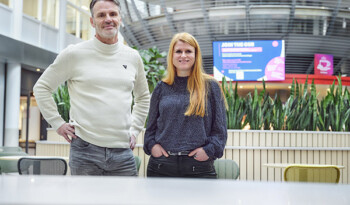
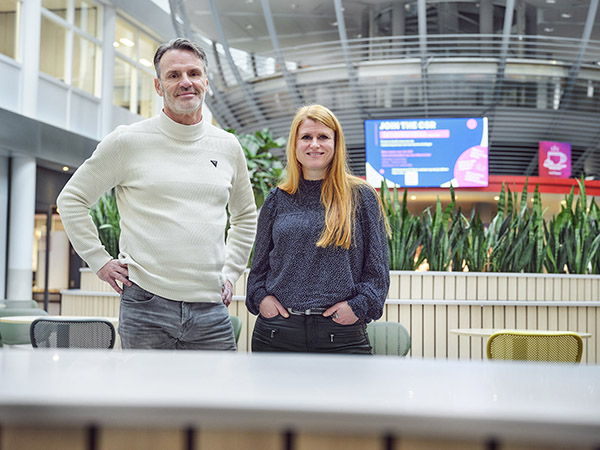
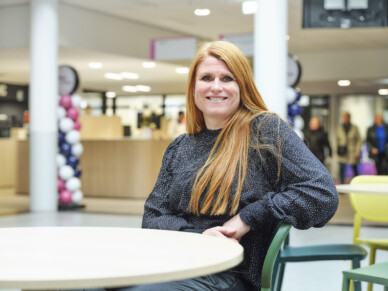
They each have their own expertise, but share the same vision on programmatic assessment. Kristel is an Assessment Advisor at Summa College. This means she supports teaching teams in matters of assessment and examination. “In MBO, teaching and assessment are often kept strictly separate. My goal is to bring them closer together and improve their alignment. I hope programmatic assessment can make that possible,” says Kristel.
popay alt

That separation is also visible in job roles, Ed explains. “We have assessment advisors like Kristel, and I’m an education advisor. In this project, we’re combining our expertise to bring about a major and positive shift in education.”

popay alt

Exam stress and snapshot assessments

We all know the feeling: the moment you’re officially tested, the pressure rises. Performance anxiety kicks in. For many students, this leads to stress that prevents them from doing their best. All that hard work throughout the year—gone to waste. Kristel believes there’s a better way. “In the ‘Beauty Care’ program, students spend several years developing certain skills. Then we say: ‘Great, now show it all during one exam—alongside an external assessor.’ That creates intense pressure and is just a snapshot. If something goes wrong for any reason, they fail the exam—even if they’ve proven they can do it before. How reliable is that single moment?”

The brain stops learning

That snapshot—the exam—is too disconnected from the learning process. Ed: “Our aim is to blend the two more seamlessly. We want to involve more people during the learning journey who can provide insight into a student’s knowledge and skills. This gives a much stronger foundation for making decisions.” It also affects student motivation. “Many people have a fixed mindset. They believe in exams. Tests and grades are sacred. A 5.5 isn’t good enough, a 5.6 is. But research shows that once you receive a grade, your brain stops learning—because the goal has been reached. This system reinforces a fixed mindset, rather than encouraging continuous learning and practice. Learning means ongoing development,” Ed explains.

The power of programmatic assessment

So no more traditional exams or tests. But what instead? Kristel explains: “With programmatic assessment, students are given the opportunity to grow and demonstrate their abilities throughout their entire education. They’re also allowed to make mistakes. It’s about doing something, receiving feedback, and learning from it. They can keep progressing without being penalized.”

This is visualized through a circular diagram. Each empty block is filled over time. “Students build a complete portfolio,” says Ed. “They collect evidence by uploading documents or files and receiving feedback. Think vlogs, podcasts, peer evaluations, videos, research reports, or quizzes. The options are endless. Teachers, students, or internship supervisors can all give feedback that helps students grow. That feedback is far more meaningful than a grade. Once enough evidence is gathered, an interim assessment follows. The evidence is reviewed and marked as ‘demonstrated’, ‘partially demonstrated’, or ‘not demonstrated’. The diagram then shows students and teachers the growth and results. Interim evaluations can be requested along the way. Once all competencies are demonstrated at final level, the student submits the portfolio to the assessment committee. If it meets the standards, the student earns a diploma. The beauty of this system is that it motivates students to work consistently, instead of cramming the night before an exam. The diploma is no longer based on one moment—it reflects everything the student has shown throughout their learning journey.”

Trailblazing pioneers

Looking at the Dutch educational landscape, programmatic assessment is still in its early stages. Universities and universities of applied sciences (HBO) are beginning to embrace it, but MBO institutions much less so. Kristel: “The concept of programmatic assessment is alive, but we’re going further than most. We’re pushing boundaries. We’re dealing with strict laws and regulations around examinations, so it’s bold to try something different and test those limits.” Ed adds: “It’s starting to feel like a trend. But do you follow the trend because you believe in it, or just because everyone’s doing it? For us, it’s based on strong conviction. We said: either we go all in, or we don’t do it at all.”

Tailored for vocational education

The Summa College project team had a clear vision of what programmatic assessment should look like. The next challenge? How to make it work in practice. “With our version of programmatic assessment, students gather a lot of evidence during their learning journey to demonstrate their achievements,” Kristel says. “To organize that properly and keep an overview, you need a digital portfolio. A system that’s structured and visually clear. That simply didn’t exist. Some vendors had something close, but it didn’t meet our needs.”

That’s when Popay entered the picture. “We noticed other providers offered pre-built solutions we could tweak—but it would cost a lot and still wouldn’t be exactly what we wanted. Popay said, ‘Let’s build it together, fully tailored.’ That was the perfect answer. Otherwise, we would have had to make compromises. It often feels like education must adapt to existing systems. Now, it’s the other way around: we define the ideal learning process, and the system follows. And it’s perfectly suited for MBO students, which is crucial.”

No commercial focus—just expertise

A great match, then. But how’s the collaboration going? “Very well,” Ed says enthusiastically. “You can tell Popay’s specialists genuinely enjoy thinking with us. Other vendors were far more commercially driven. Popay works fast and is equally motivated to make this a success. They’re proactive, too. When we suggest something, they don’t just follow—they improve on it.” Kristel agrees. “Popay is willing to invest extra effort. They’re approachable and easy to reach. That helps keep momentum. I’m impressed by how quickly they grasped the concept. The Popay experts really understand what we want. And we haven’t heard a single ‘no’ from them yet—that says it all.”

On the road with Job Journey

The collaboration is going strong, and the platform is taking shape. But what does it actually look like? Kristel takes us inside: “The system is called Job Journey—students go on a journey. It’s important to us that the platform is visually engaging and something students want to use every day.”

Ed: “The big difference from other platforms is that it’s truly designed for MBO students. That’s a different audience from HBO. The text is shorter and the language clearer. Every student can easily navigate Job Journey. Plus, there’s plenty of room to submit not just theoretical knowledge, but practical skills as well—like videos showing real-life actions. Each student progresses through the diagram at their own pace. They can go faster or slower, depending on what suits them. Job Journey makes it easy to personalize programmatic assessment, for example with elective components.”

Ready for the future

The first concept meeting took place in April 2023. Then Popay began building. What’s the current status? “The platform is mostly ready and already in use,” Kristel says. “Students are working with it, and the first responses are positive. They’re already using their work portfolio, development portfolio, and interim assessments. And the diagram is starting to fill with color. Some components still need further development, so we’re continuing to evolve.”

“There are regular updates,” Ed adds. “The next step is integrating Job Journey with Summa College’s IT ecosystem. I have full confidence in Popay. Internally, there are still challenges too—colleagues need to get used to the platform. Change takes time, especially in education where things have been done the same way for years. But we’re going for it—and we believe in it!”